The Miracle on the Red River: When Big Businesses Join Forces to Create a Century-Long Vision
From the Miracle on the Han River to the Miracle on the Red River
The Red River Scenic Boulevard is considered by experts to be a "mega-project" of strategic significance for Hanoi in particular and the whole country in general. The project has a preliminary total investment of approximately 855,000 billion VND, implemented under a public-private partnership (PPP) model, with a research scope of about 11,000 hectares, extending from Hong Ha Bridge to Me So Bridge, passing through 19 communes and wards of Hanoi. The consortium of investors includes: Dai Quang Minh - Van Phu - MIK Group - Thaco - T&T Group - Hoa Phat Group.
Notably, the Red River Scenic Boulevard is one of 234 projects and works reflecting the Party's will and the people's aspirations, simultaneously commenced, inaugurated, and opened for technical traffic to celebrate the 14th National Congress of the Party. These are also the first building blocks for future projects with a vision "ahead of its time," as stated by Prime Minister Pham Minh Chinh .
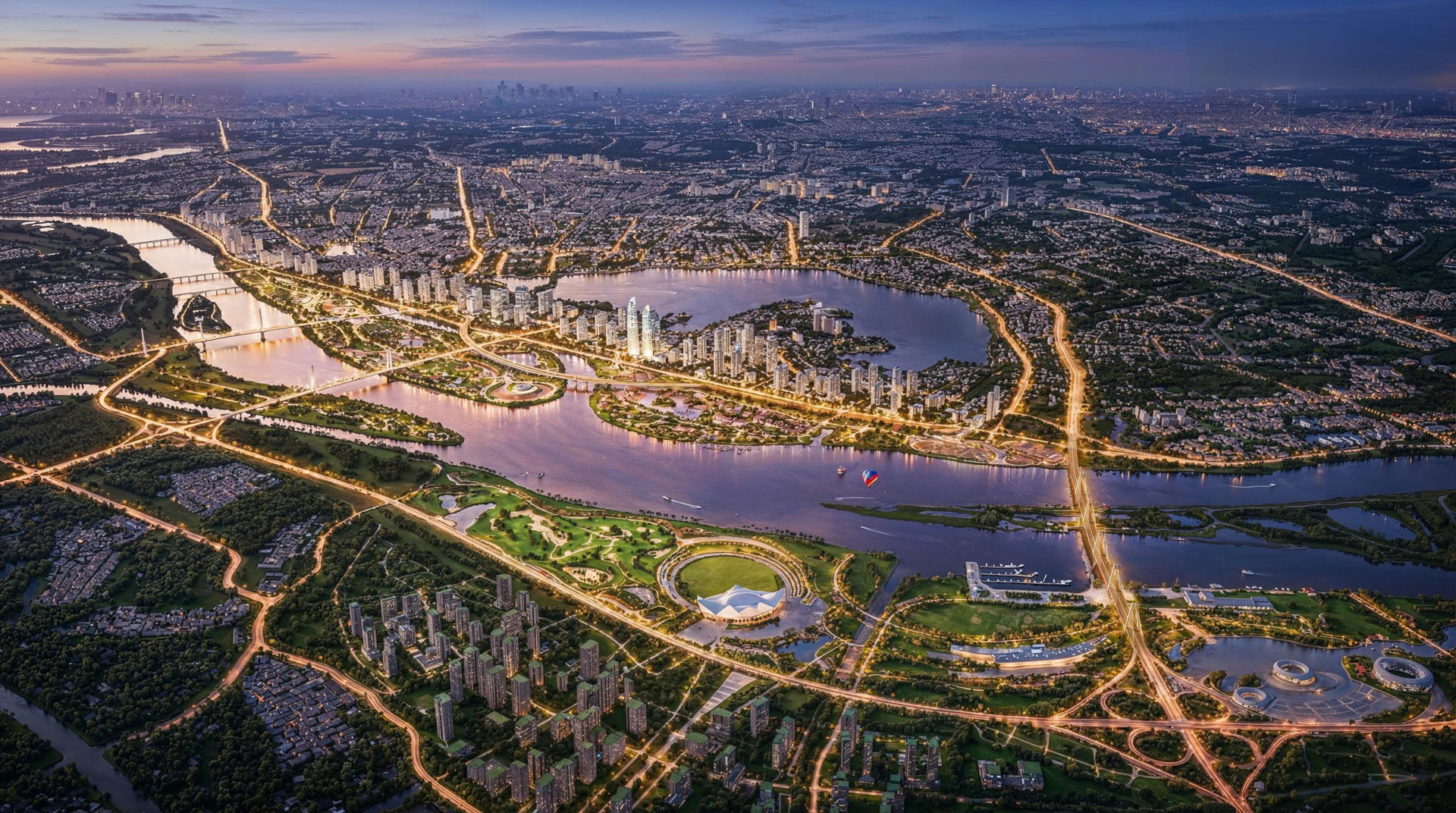
The project is organized into four sub-projects, including a system of riverside boulevards, large-scale park and landscape clusters, an underground metro line on the right bank of the Red River, and on-site resettlement urban areas.
Upon completion, the project is expected to comprehensively redevelop the urban space along the Red River, forming a symbolic green, cultural, and economic axis for the capital city, contributing to the realization of Hanoi's and the country's long-term development orientations.
To fully grasp the scale and expectations placed upon the Red River landscape boulevard, one can look back at how rivers have previously created turning points in the development of other cities.
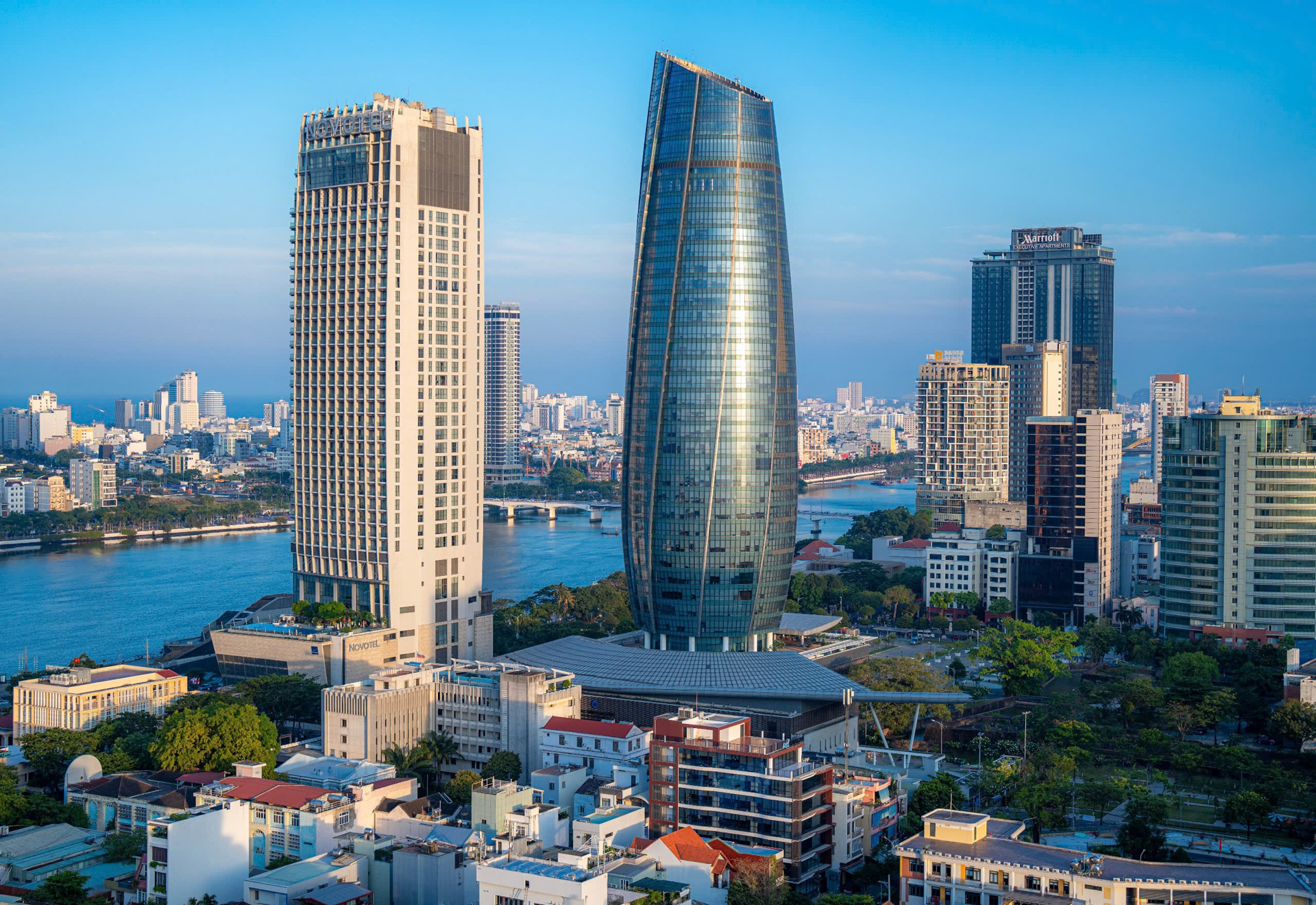
Before becoming a symbol of Da Nang, the Han River was a quiet waterway, not truly connected to the urban development on its banks. Along the river were then dilapidated residential areas, haphazardly constructed houses, and a few small docks and temporary livelihoods. The riverside space lacked planning, connectivity, and was almost… outside the city's development. At that time, the Han River existed more as a natural boundary than as a spatial axis capable of generating momentum for urban growth.
The real turning point came in the late 1990s, when Da Nang decided to build the Han River Bridge – the first swing bridge in Vietnam. This was no easy decision due to the high cost, complex engineering, and the fact that the benefits were not immediately apparent. But it was this unwavering commitment to a long-term vision that opened the door to a series of incredible changes. After the Han River Bridge, the Thuan Phuoc Bridge, Tran Thi Ly Bridge, Dragon Bridge, and others appeared one after another. Both banks of the river were renovated. Riverside roads have been widened. Public spaces are gradually being created. The value of riverside land has increased many times over. Economic, cultural, and festival activities associated with the river have become part of the city's identity. More importantly, Da Nang's urban structure has fundamentally changed. The river no longer divides the city but plays a connecting and guiding role in development.
On a larger scale, South Korea's Han River also underwent a tumultuous journey before becoming the symbol of Seoul we know today. In the early decades after the war, the riverside area was primarily populated by impoverished neighborhoods with inadequate infrastructure, and at times even became a hub of pollution. The river, then, did not resemble a major urban center, but rather lay quietly on the fringes of development.
It was only when South Korea entered a period of rapid industrialization that the vision for the river gradually changed. Instead of avoiding it, the government persistently invested in transportation infrastructure, urban planning, and gradually connected logistics, industry, finance, and urban activities along both banks. Through decades of accumulated investment, the "Miracle on the Han River" was established. A series of transportation axes, financial centers, and public spaces were shaped, transforming the Han River into the true economic and urban heart of Seoul. This also reflects South Korea's journey to becoming one of Asia's leading economies.
According to experts, "riverside miracles" don't come from short-term decisions. They are created by foresight, by the steadfastness of the government, and by the collaboration of large businesses – entities willing to commit long-term, jointly building projects that have lasting value for generations to come.
T&T Group and its capacity to execute projects that shape development spaces.
In infrastructure projects that shape development space, the decisive factor lies not only in the total investment but also in selecting the right businesses with the capacity to sustain the long-term. A strong consortium is not simply a sum of capital, but a synergy of experience, reputation, and the ability to share responsibility with a long-term vision. Therefore, T&T Group's participation in the consortium implementing the Red River Landscape Boulevard should be viewed within this logic.
Furthermore, in recent times, the Party and Government have clearly defined the role of the private sector in participating in the development of infrastructure, energy, and urban areas, considering it one of the important drivers of long-term growth. This spirit will only be truly verified when businesses are willing to undertake large, challenging projects that require sustained resources.
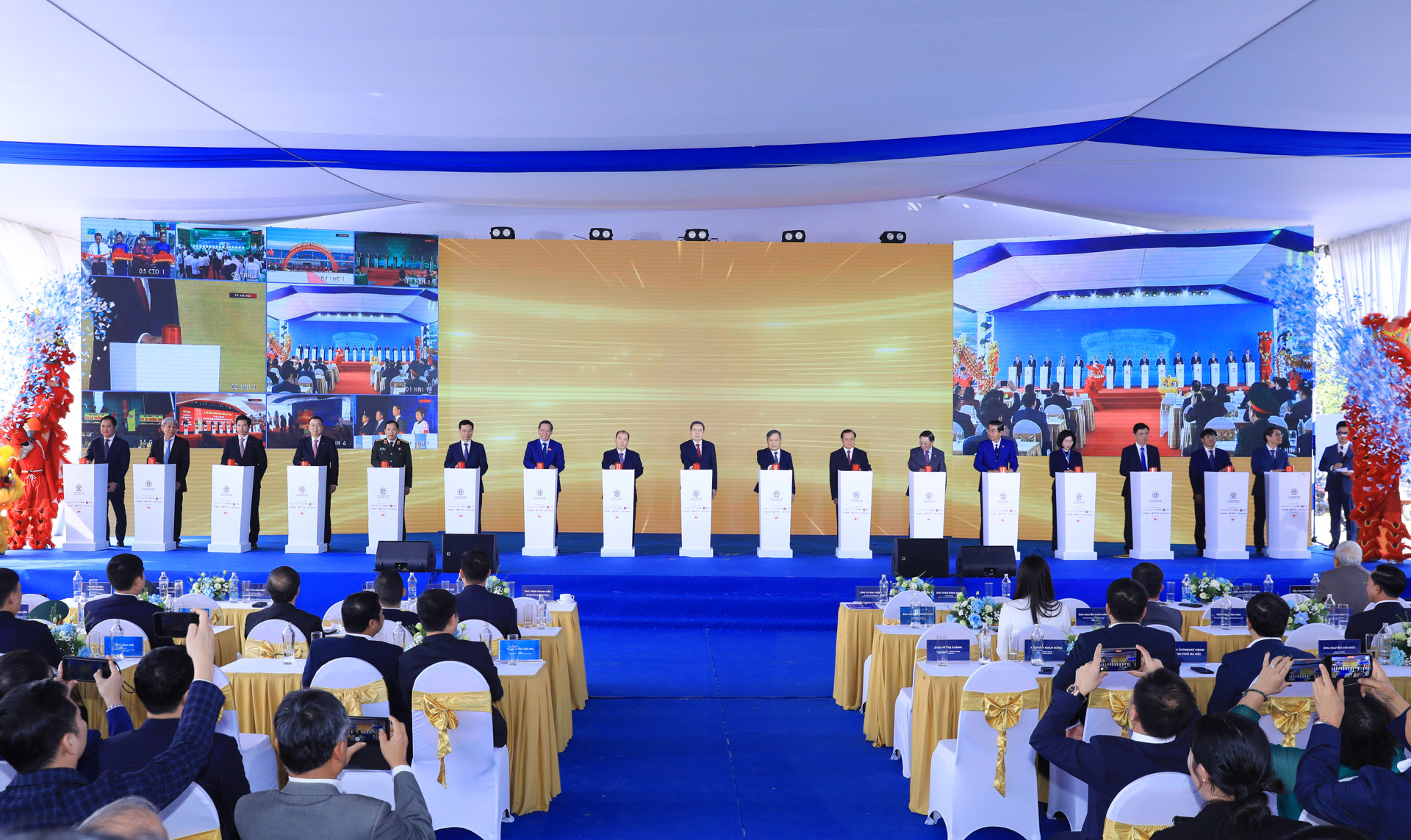
Speaking to reporters about participating in the Red River Landscape Boulevard Project as a joint venture, the leader of T&T Group said: For T&T Group, this is not only an opportunity but also a great responsibility for the enterprise in accompanying the Party, Government, State and Hanoi city in implementing long-term development orientations and strategies; requiring perseverance, resources and unwavering commitment.
"T&T Group is committed to making a positive contribution to the realization of the goal of developing the Red River waterfront area in a sustainable, modern, and distinctive manner ," emphasized the leader of T&T Group.
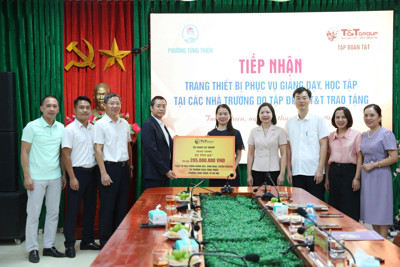
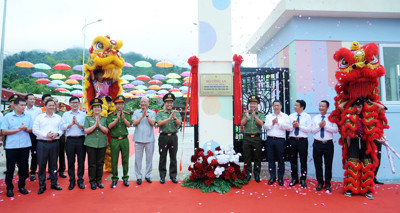
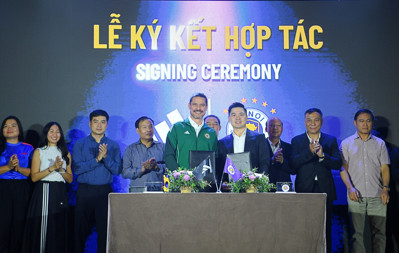
In fact, T&T Group has been widely discussed since its participation in the "mega-project" on the Red River. Over the years, the Group has established its reputation through numerous large-scale projects with positive impacts. This is clearly demonstrated by the ecosystem of projects that T&T Group has undertaken, spanning from transportation and energy infrastructure to large-scale real estate projects, playing a crucial role in restructuring urban spaces, creating jobs, and forming new growth poles for the locality.
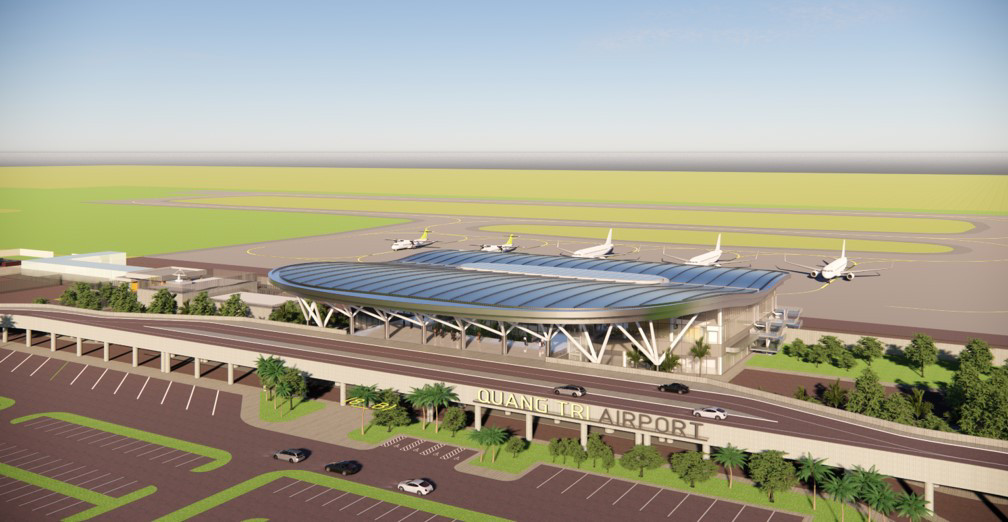
Quang Tri Airport is a prime example. Before the project was implemented, Quang Tri did not have a civil airport. The local air connectivity mainly depended on airports located hundreds of kilometers away. Therefore, despite possessing a strategic location and being envisioned as a logistics and cargo transit center for the region, Quang Tri had not been able to fully realize its potential.
In response to this situation, in 2020, T&T Group proposed a study and investment plan for the construction of a new airport. By July 2024, the project commenced, covering an area of 265 hectares with a total investment of 5,800 billion VND, meeting 4C standards and capable of handling Code E aircraft. Given the limited space available for expansion at many major airports, this project is expected to become a new infrastructure highlight, contributing to growth potential for the entire Central region.
Not content with just a single airport, T&T Group has proposed a master plan for an aviation, logistics, and airport city complex spanning approximately 10,800 hectares, with Quang Tri Airport as its core. This plan aims for the integrated development of functions such as MRO (Mechanical, Operations, and Logistics), component manufacturing and assembly, cargo transshipment center, and airport city, aligning with the national orientation of gradually mastering the aviation value chain while addressing the technical infrastructure bottlenecks facing Vietnam's aviation industry.
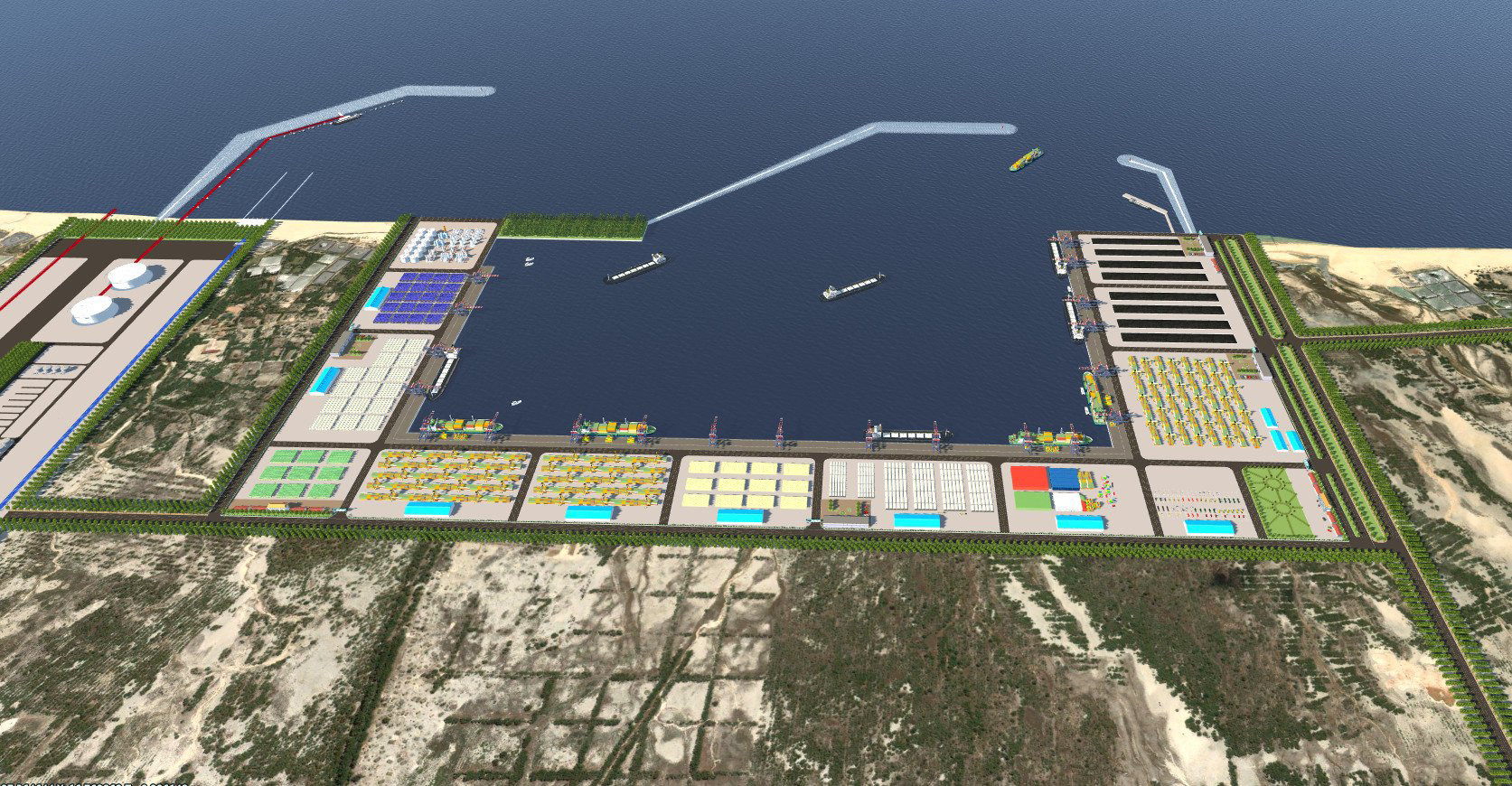
Also in Quang Tri, the Hai Lang LNG project demonstrates how T&T Group approaches strategic infrastructure to create sustainable and long-term development momentum for the locality. With a phase 1 capacity of 1,500 MW, when operational in 2029, the project will transform Quang Tri into the largest clean energy center in Central Vietnam. Looking further ahead, the Hai Lang LNG project will also play a crucial role in ensuring the base power supply for the region in the medium and long term.
In Lam Dong province, the Bao Loc – Lien Khuong expressway exemplifies T&T Group's philosophy of "opening axes – creating space." Spanning over 73 km and with a total investment of VND 17,718 billion in phase 1, the expressway, once operational, will become a crucial link in completing the Dau Giay – Lien Khuong expressway axis, effectively connecting the Central Highlands with the Southern key economic region. The route also opens up new development opportunities for localities along the route such as Dong Nai, Bao Loc, Di Linh, and Duc Trong – contributing to the formation of a chain of satellite cities, industrial zones, logistics centers, and supply chain services.
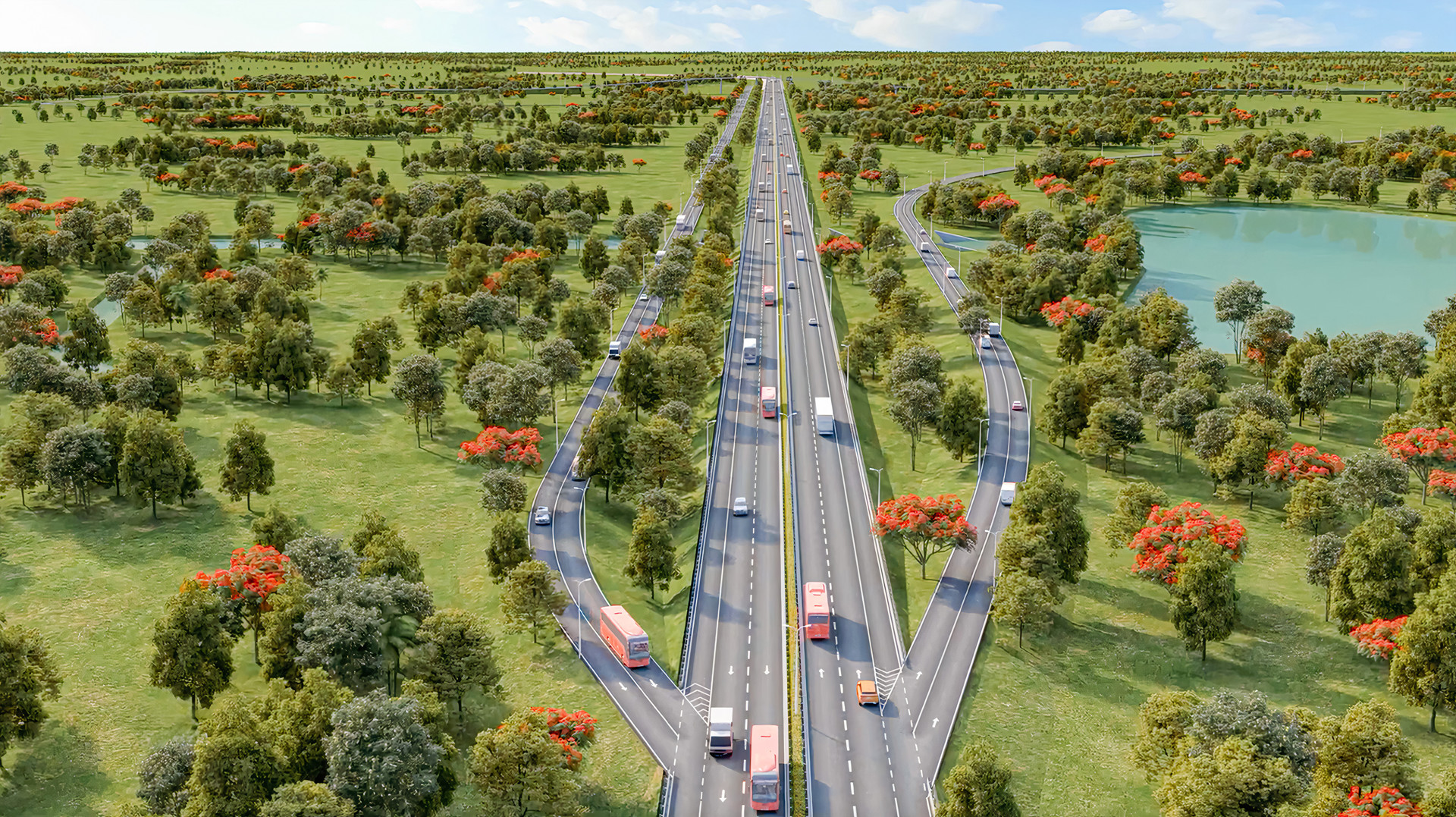
In particular, the Bao Loc – Lien Khuong route will be synchronized with the province's aviation infrastructure, most notably Lien Khuong Airport – one of the largest airports in the Central Highlands region, currently being planned for upgrade to an international airport. The close connection between high-speed roads and air transport will form a modern transportation ecosystem, contributing to making Lam Dong a strategic transit hub for the entire Southern Central Highlands – Central Coast – Southeastern region.
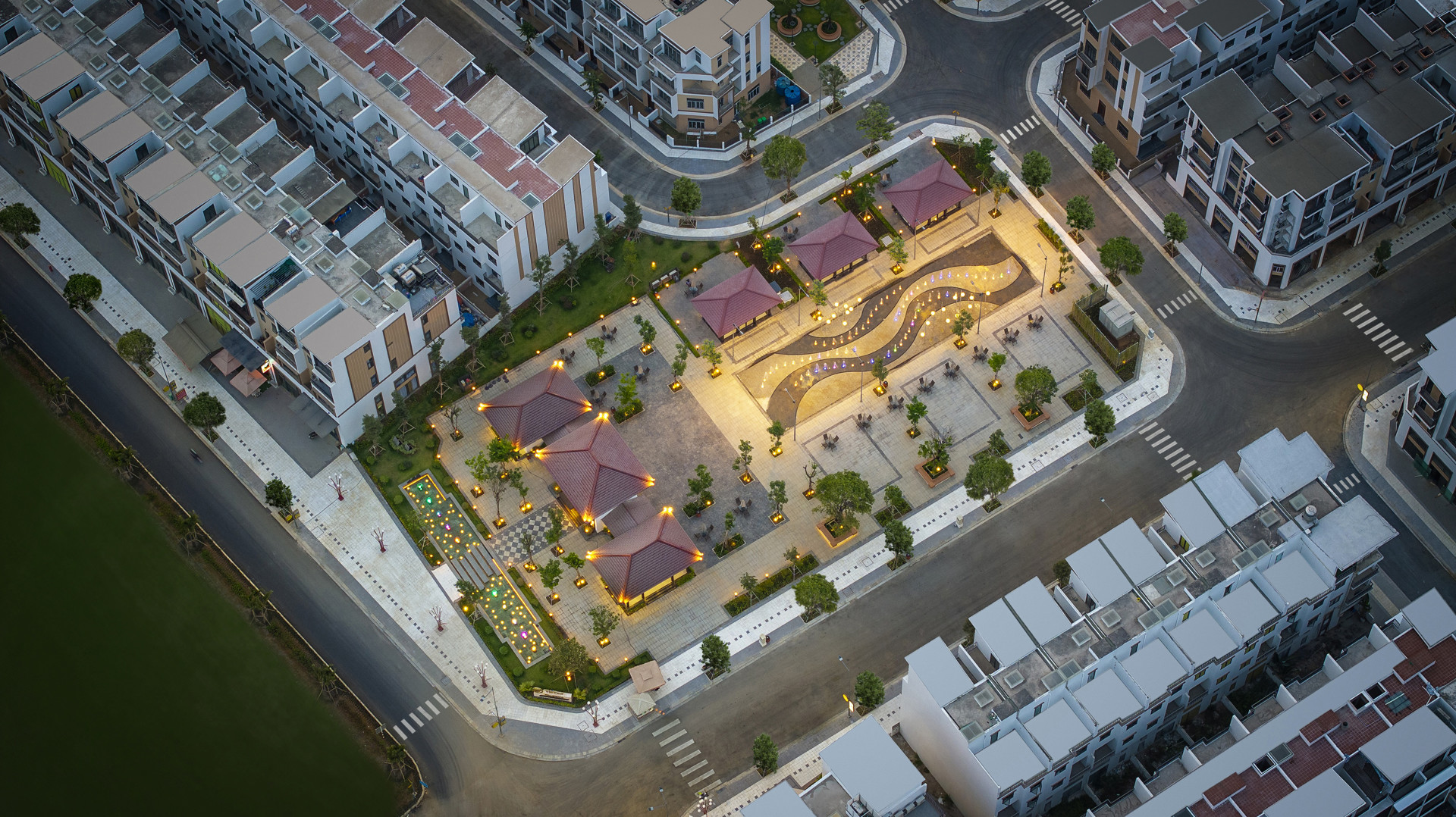
In the urban sector, T&T City Millennia (Can Giuoc, Tay Ninh) is a crucial piece demonstrating that T&T Group not only invests in technical infrastructure but also in living spaces and the long-term development structure of the locality. The project, spanning approximately 267 hectares with a total investment of tens of trillions of VND, is oriented towards development as a comprehensive urban area, where transportation infrastructure, public amenities, green spaces, and functional zones are organized from the outset according to a long-term vision.
The project's noteworthy aspect lies not in its sheer scale, but in how the Millennium City is integrated into the overall regional development. Once completed, this urban area will not only meet housing needs but also create a new development hub, sharing development pressure with the central area, attracting residents, capital flows, and accompanying economic and service activities. In this way, T&T City Millennia acts as an urban nucleus, where living spaces, jobs, and services are interconnected, laying the foundation for sustainable local growth for many years to come.
Overall, the series of projects that T&T Group is involved in demonstrates a consistent approach to foundational and long-term projects. Over 32 years of formation and development, T&T has researched, invested in, and is currently implementing thousands of projects across the country, spanning infrastructure, energy, logistics, urban development, finance, and commerce. Behind each project is a well-structured ecosystem, with strong financial resources, multi-disciplinary management experience, and a team of personnel familiar with major projects.
More importantly, T&T Group pursues a long-term development vision, viewing collaboration with localities and the Party and Government in implementing major development directions not only as investment opportunities but also as a responsibility of a mature private enterprise. Within this logic, T&T Group's participation in large-scale infrastructure and urban projects – from airports, energy, and transportation to urban development – are not isolated decisions, but rather a journey of accumulating execution capabilities. This foundation creates the credibility that allows T&T Group to participate in joint ventures implementing projects that shape the spatial development of the area, such as the Red River Landscape Boulevard – a project that demands not only resources but also patience and a long-term commitment.
The "Red River Miracle," when realized, will be the result of a series of steadfast decisions, where the State provides direction, and businesses like T&T Group play a persistent role in implementation. At that point, the Red River axis will not only be a new landscape space for Hanoi, but could also become a new driving force for the development of the capital city in particular, the Red River Delta region, and the entire country in general.